

Building and Pest Inspections Perth Guide
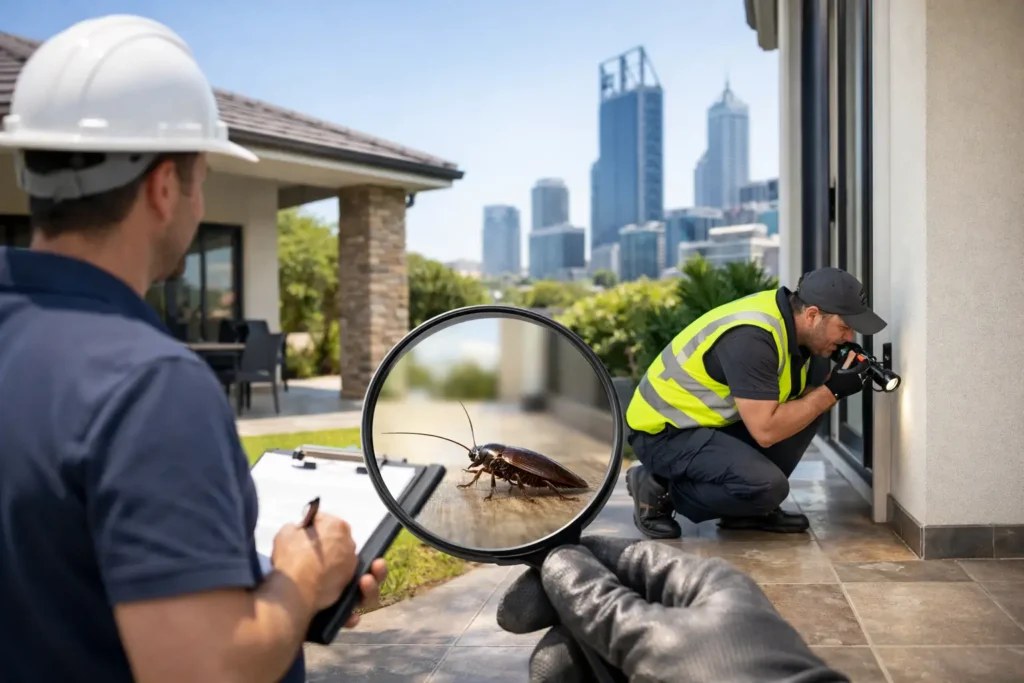
A property can look well presented at a home open and still hide problems that are expensive to fix once settlement is done. That is why building and pest inspections Perth buyers arrange before committing are less about paperwork and more about protecting yourself from avoidable risk. Cracking, moisture entry, poor workmanship, termite activity and safety concerns are not always obvious to an untrained eye, especially when a home has been freshly painted or quickly tidied for sale.
For buyers, landlords and homeowners, the real question is not whether an inspection is worth it. It is whether you are getting an assessment detailed enough to help you make a confident decision. A quick checklist might tick boxes, but it does not always explain the severity of defects, what they mean in practical terms, or what should happen next.
Why building and pest inspections in Perth matter
Perth properties come with their own conditions and risks. The local climate, soil movement, coastal exposure, ageing housing stock and renovation history all affect the way buildings perform over time. In some suburbs, termite risk is a serious concern. In others, moisture problems, cracking or drainage issues can be the bigger story.
That is where an experienced inspector makes a genuine difference. A sound inspection is not only about spotting defects. It is about understanding how homes are built, how they deteriorate, and which issues are cosmetic versus structural, urgent versus manageable. That level of judgement matters when you are weighing up a purchase price, negotiating repairs, or deciding whether to proceed at all.
For first-home buyers, this can prevent nasty surprises after moving in. For investors, it helps protect yield and avoid unplanned maintenance blowouts. For owners and landlords, it provides clarity before leasing, selling or undertaking repairs.
What a combined inspection should actually cover
A combined building and pest inspection should give you a broad but practical picture of the property’s condition on the day of inspection. That usually includes the major accessible areas of the home and an assessment of visible defects, damage and signs of pest activity.
On the building side, the inspection should look closely at structural elements, roofing, walls, ceilings, floors, windows, doors, wet areas and external components. The point is not simply to note that defects exist, but to explain what type of defect it is, how serious it appears, and whether further specialist advice may be needed.
On the pest side, the inspection should assess evidence of termites, conducive conditions for termite attack, timber damage and other pest-related issues where visible. It should also identify factors that increase future risk, such as poor subfloor ventilation, high moisture levels, timber-to-ground contact or garden beds bridging damp courses.
A good report gives clear language, relevant photos and practical observations. It should not leave you guessing which issues are minor maintenance items and which ones could affect safety, value or future repair costs.
Common issues found in Perth homes
No two properties are the same, but some issues come up regularly across Perth homes. Cracking is one of them. Hairline cracks may be fairly typical in some buildings, particularly with movement over time, but wider or progressive cracking can point to settlement, structural movement or drainage concerns. Context matters.
Moisture ingress is another common issue, especially around bathrooms, laundries, balconies, roofs and poorly sealed external areas. Left unresolved, moisture can damage finishes, affect timber, encourage mould growth and create larger repair bills later.
Poor workmanship is also more common than many buyers expect. That can show up in renovations, extensions or newer builds where finishes appear neat at first glance but installation quality is substandard. Tiling falls, inadequate waterproofing, uneven floors, non-compliant balustrades and roofing defects are examples that may not be obvious during a casual walk-through.
Then there is termite activity or termite damage. In some cases, the risk is current and active. In others, there may be evidence of past attack or conditions that make future attack more likely. Either way, this is not the sort of problem you want to discover after settlement.
What makes one inspection better than another
Not all inspection services deliver the same level of value. The difference often comes down to experience, independence and report quality.
An inspector with real construction experience tends to assess a property differently from someone following a standard checklist without deeper trade knowledge. They are more likely to recognise whether movement is superficial or concerning, whether a defect points to a larger pattern, and whether a repair suggestion is realistic. That practical grounding matters because property decisions are rarely black and white.
Independence matters as well. When you are relying on an inspection to make a major financial decision, you want advice that is direct and unbiased. The report should work for you, not for the selling agent, builder or anyone else involved in the transaction.
Then there is communication. A detailed report is essential, but so is the ability to explain findings in plain English. Many clients do not need every technical term. They need to know what the issue is, how serious it seems, and what they should do next. The strongest inspection services combine technical accuracy with practical guidance.
When to book building and pest inspections Perth property buyers need
For pre-purchase matters, timing is critical. The best time to book is during the contract period when there is still room to make an informed decision. If the inspection reveals major structural issues, significant timber pest damage or widespread moisture defects, you may be able to renegotiate, request further assessment or reconsider the purchase entirely.
That said, pre-purchase is not the only time an inspection is useful. Owners may need a condition report before leasing or after tenant vacate. Buyers of newly built homes often benefit from a practical completion inspection before handover, particularly where defects need to be raised before final payment. Older homes may also need asbestos inspection and testing if renovation is planned.
The right service depends on the property and the decision in front of you. A standard building inspection may be enough in some cases. In others, a combined inspection is the smarter choice because timber pest issues and building defects often overlap.
How to read the report without overreacting
One of the most common mistakes buyers make is treating every defect as a deal-breaker or, at the other extreme, dismissing obvious warning signs because they like the house. Most properties have some defects. The key is understanding the difference between manageable maintenance and more serious concerns.
A handful of minor items such as worn sealant, small cracks or routine maintenance issues may not be unusual, especially in established homes. More significant findings include structural movement, persistent moisture entry, major safety hazards, active termite evidence or defects that suggest non-compliant building work.
This is where a clear conversation with the inspector is valuable. You should be able to ask what matters now, what should be monitored, and what may affect cost or liveability. A useful report supports a decision. It should not simply overwhelm you with jargon.
Choosing an inspector in Perth
If you are comparing providers, look beyond price alone. A cheaper inspection can cost more in the long run if defects are missed or findings are too vague to act on. Ask who will carry out the inspection, what experience they have in residential construction, how quickly reports are issued and whether you can speak directly with the inspector.
You should also look for a service that is responsive and clear from the start. Property decisions often run on tight timeframes. Delays, unclear communication or generic reporting only add stress when you are already trying to assess a major purchase.
For many Perth clients, that is why an independent specialist matters. Businesses such as Rushe Building Inspections are valued not just for identifying defects, but for giving clients straightforward, experienced guidance they can use with confidence.
A good inspection does not tell you what you want to hear. It tells you what you need to know before the next step becomes expensive. When you are buying, selling, leasing or taking handover of a property, clarity is not a luxury. It is part of making a sound decision.


Get Your Inspection Quote
Quick, independent building inspections across Perth. Request a fast, no-obligation quote today.
Building Inspections Made Simple with Rushe
Know the true condition of your property with Rushe Building Inspections—delivering clear reports, expert guidance, and total peace of mind for homeowners and buyers.
Detailed Reports

Local Expertise

5-Star Service

Trusted Service
Receive a Fast, No-Obligation Quote
Share a few details and receive a free, no-obligation quote for your building inspection.