

Best Pre Purchase House Inspection Guide
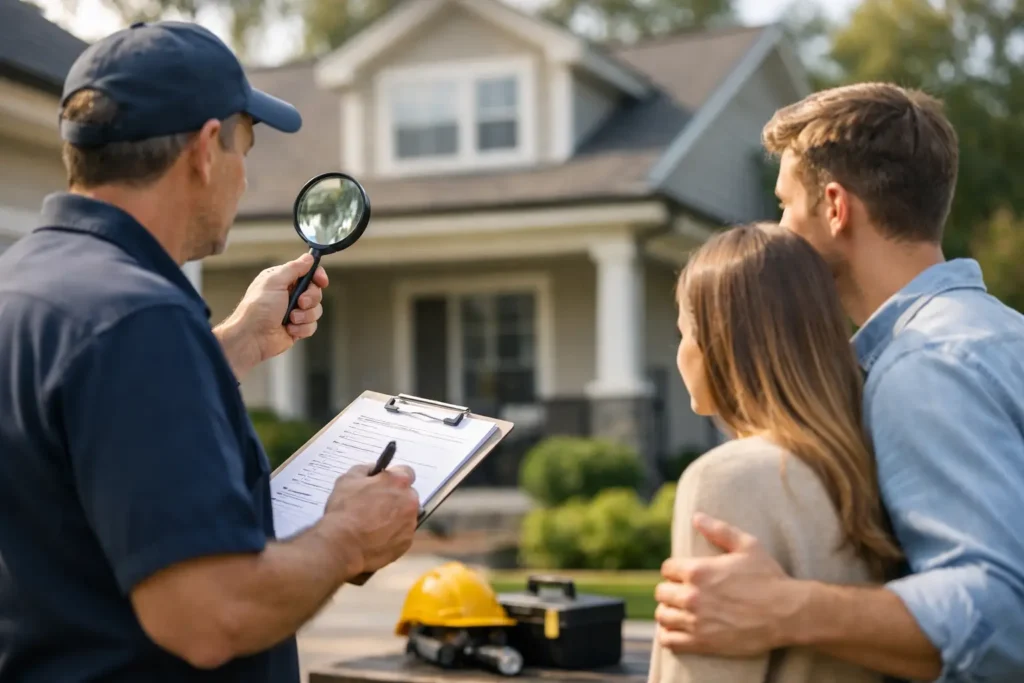
A polished kitchen and freshly painted walls can hide a lot. Cracking, moisture entry, poor drainage, roof defects, termite damage and substandard repairs are often missed in a quick walkthrough, especially when a property is in high demand. That is why the best pre-purchase house inspection is not just a formality. It is one of the few chances you have to understand the true condition of a home before you commit.
For buyers in Perth and across WA, that matters more than most people realise. A contract price tells you what the market is willing to pay. It does not tell you whether the property has movement in the walls, unsafe electrical modifications, leaking wet areas or damage concealed by recent cosmetic work. A quality inspection gives you practical information you can use to negotiate, plan repairs or decide to walk away.
What makes the best pre-purchase house inspection?
The best pre-purchase house inspection is thorough, independent and carried out by someone who understands how houses are actually built. That sounds obvious, but there is a real difference between a surface-level checklist and an inspection informed by genuine construction knowledge.
An experienced inspector is not only looking for visible defects. They are reading the property as a whole. They assess how the site drains, whether cracking is cosmetic or more significant, how moisture may be tracking through the building, whether workmanship meets a reasonable standard, and what signs suggest older problems have simply been covered over. That practical judgment is what turns an inspection report from a document into a decision-making tool.
Independence matters just as much. Buyers need advice that is not influenced by the selling side of the transaction. A clear, direct report from an independent inspector gives you a more reliable view of the risks, likely repair priorities and issues that may affect safety, cost or future resale.
What a pre-purchase inspection should actually cover
A good inspection should cover all accessible areas of the property and focus on condition, defects and warning signs that could lead to expense after settlement. That usually includes the roof exterior, roof space, ceilings, walls, floors, doors, windows, wet areas, subfloor where accessible, external walls, site drainage, paving, retaining, fences and other relevant structures.
The purpose is not to produce a perfect house. Very few established homes are defect-free. The purpose is to identify material issues and explain them in plain English. Buyers need to know what is minor maintenance, what is poor workmanship, what may be allowing water ingress, and what could point to structural or safety concerns.
In WA, pest risk should also be taken seriously. In many cases, a combined building and pest inspection is the better option because termite activity or previous timber damage can change the financial picture quickly. If the property is older, asbestos risk may also need separate attention depending on the materials and the era of construction.
The difference between a cheap inspection and a useful one
Price matters, but the lowest quote is not always the best value. A cheaper inspection can cost more later if it misses significant defects or gives vague findings that leave you unsure what action to take.
The best pre-purchase house inspection usually stands out in three areas. First, the inspector has solid building experience, not just inspection experience. Second, the report is detailed enough to be useful without burying you in generic comments. Third, you can actually speak with the inspector and ask questions about what they found.
That direct access is important. Buyers are often making decisions under time pressure. You need to understand whether a defect is common and manageable, urgent and costly, or serious enough to affect your willingness to proceed. A report alone may not give you that context unless the inspector is available to explain it clearly.
Common issues that buyers in Perth and WA should look out for
Local conditions matter. Homes in Perth and wider WA can be affected by movement related to soil conditions, heat, moisture variation and drainage problems. In some properties, cracking may be minor and expected. In others, the pattern, location and width of the cracks may suggest movement worth closer attention.
Moisture is another major issue. Failed waterproofing in bathrooms, leaking showers, rising damp, roof leaks and poor site drainage can all lead to hidden damage. These problems often build slowly and are expensive because the repair is not just about fixing the source. It may also involve replacing damaged finishes, framing, cabinetry or flooring.
Poor renovations are common too. A home may present well but contain non-compliant or low-quality alterations, especially in wet areas, extensions or enclosed patios. Cosmetic updates can improve presentation while disguising uneven floors, patch repairs, incomplete waterproofing or structural changes that were not carried out properly.
Timber pest activity remains a serious concern in the right conditions. Even where current activity is not visible, signs of previous damage, conducive conditions or untreated risk areas should not be brushed aside.
How to choose the right inspector
Start with experience that is relevant to residential construction, not just report writing. A skilled inspector should understand how houses go together, how defects develop over time and how to separate a minor issue from a more significant one.
Then look at the reporting standard. The report should be clear, accurate and practical. It should identify defects, explain their likely implications and help you prioritise. If every issue is described in vague terms, or the language feels overly cautious without being helpful, you may still be left guessing.
Responsiveness is another good sign. Property decisions move quickly, and buyers need timely inspections and fast turnaround on reports. If communication is slow before you book, it is unlikely to improve when you need answers urgently.
It also helps to ask whether you will be able to speak directly with the inspector. A consultative service gives buyers far more confidence than a one-way report sent by email. Businesses such as Rushe Building Inspections build trust by combining independent advice, construction-based knowledge and clear communication that helps clients make practical decisions.
When the best inspection still has limits
A pre-purchase inspection is extremely valuable, but it is not invasive testing and it cannot see through every wall, floor or ceiling. Inspectors assess accessible areas and visible evidence. If heavy furniture blocks a wall, roof access is restricted or stored items fill the garage, some limitations will apply.
That does not reduce the value of the inspection. It simply means buyers should understand what the service can and cannot do. A good inspector will make those limitations clear and highlight when further specialist assessment is recommended, such as plumbing leak detection, electrical review, structural engineering advice or asbestos testing.
This is where experience matters again. The right inspector will not overstate certainty, but they also will not hide behind disclaimers. They will tell you what they observed, what it likely means and whether you need another opinion before proceeding.
How buyers should use the report
The report is most useful when it informs your next step. Sometimes that means moving forward with confidence because the defects are typical and manageable. Sometimes it means renegotiating the price to reflect repairs. Sometimes it means requesting further investigation before settlement. And sometimes it means stepping away from a property that carries more risk than it is worth.
That decision depends on your budget, timeline and appetite for repairs. An investor may accept issues that a first-home buyer cannot. A buyer planning a major renovation may be less concerned by dated finishes but far more concerned by movement, moisture or pest damage. There is no universal pass or fail result. What matters is having enough reliable information to make a clear-headed choice.
Why the best pre-purchase house inspection pays for itself
The cost of an inspection is small compared with the cost of hidden defects after settlement. A shower leak behind tiles, termite-damaged timber framing, roof replacement, structural rectification or failed drainage can run into thousands, sometimes much more. Even when the issues are not deal-breakers, knowing about them early helps you budget properly and avoid nasty surprises.
More importantly, a proper inspection reduces uncertainty. Buying a home is one of the biggest financial decisions most people make. Confidence comes from knowing the condition of the property has been assessed by someone independent, experienced and willing to tell you the truth plainly.
The best pre-purchase house inspection is not the one with the flashiest marketing or the cheapest fee. It is the one that gives you a realistic picture of the property, explains the risks without exaggeration, and helps you decide what to do next with confidence. If you are about to buy, that clarity is worth having before the keys change hands.


Get Your Inspection Quote
Quick, independent building inspections across Perth. Request a fast, no-obligation quote today.
Building Inspections Made Simple with Rushe
Know the true condition of your property with Rushe Building Inspections—delivering clear reports, expert guidance, and total peace of mind for homeowners and buyers.
Detailed Reports

Local Expertise

5-Star Service

Trusted Service
Receive a Fast, No-Obligation Quote
Share a few details and receive a free, no-obligation quote for your building inspection.