

How to Organise Building and Pest Inspection
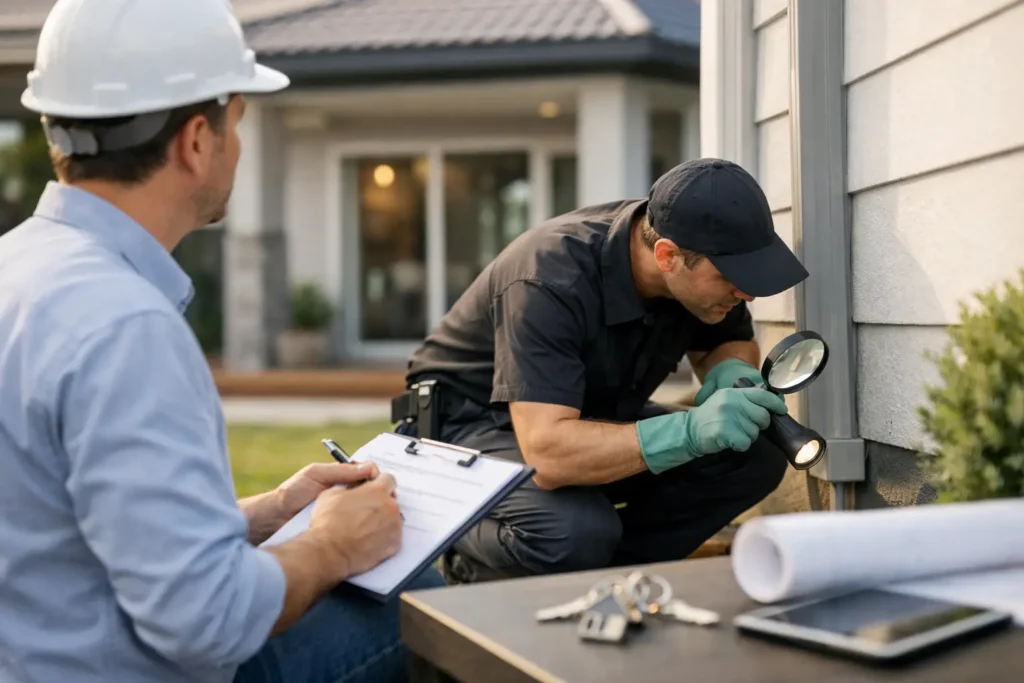
The clock usually starts ticking the moment your offer is accepted. Finance, settlement dates, agent follow-up, paperwork – it can all move quickly. If you are wondering how to organise building and pest inspection without missing a step, the key is to treat it as an early priority, not something to squeeze in later.
A proper inspection is there to reduce uncertainty before you commit to a major property decision. Whether you are buying, leasing out, taking handover of a new build or checking the condition of a home you already own, the process works best when it is organised with clear timing, the right scope and direct communication with an experienced inspector.
How to organise building and pest inspection at the right time
Timing matters more than many people realise. For a pre-purchase inspection, the best time is as soon as your offer is accepted and within any due diligence or conditional period set out in the contract. Leave it too late and you may end up rushing the inspection, reviewing the report under pressure, or limiting your options if serious defects are found.
For landlords and property managers, timing may centre around a change in tenancy, a routine condition check, or concerns raised by tenants. For homeowners, it may be before listing a property for sale, after storm activity, or when signs of movement, moisture or pest activity start to appear. For new builds, practical completion is the critical point. That inspection should happen before handover, while defects can still be raised with the builder.
If access to the property is controlled by an agent, tenant or builder, organise that early as well. Inspection delays often have less to do with the inspector’s availability and more to do with waiting for someone to unlock the property.
Decide what inspection you actually need
Not every property requires exactly the same inspection scope. A combined building and pest inspection is common for established homes, especially where buyers want one clear view of structural issues, maintenance concerns and signs of termite activity or timber pest damage.
That said, the right service depends on the property and the decision you are making. A practical completion inspection is more suitable for a newly built home. A condition report may be the better fit for rental properties, lease disputes or documenting the state of a home before or after occupancy. If asbestos is a concern, particularly in older WA homes, that may need to be assessed separately.
This is where speaking directly with the inspector matters. A good inspector will ask about the age of the property, construction type, known concerns and your reason for booking, then guide you towards the most appropriate inspection rather than a one-size-fits-all option.
Choose an inspector with real construction experience
The quality of the inspection depends heavily on the person carrying it out. Plenty of reports look detailed on paper. The real question is whether the inspector can recognise what matters, explain the likely cause and tell you how serious the issue may be.
Look for someone with practical construction knowledge, not just a checklist approach. Real experience helps when assessing cracking, movement, moisture ingress, roofing defects, poor workmanship, drainage concerns and safety issues. It also helps with the more nuanced calls, such as whether a defect is cosmetic, typical for the age of the home, or a sign of a bigger problem.
Independence matters too. You want an honest assessment that is not influenced by the sale, the builder or anyone else involved in the transaction. Clear communication is just as important. If you cannot get a straight answer before the inspection, that usually does not improve after the report lands in your inbox.
What to have ready before you book
Organising the inspection is much easier when you have the basic details ready. In most cases, the inspector will need the property address, the type of inspection required, the preferred timing, the real estate agent or site contact details, and any known concerns you want checked closely.
If you are buying, it helps to mention the contract deadline for inspections. If you are arranging an inspection for a new build, provide the stage of construction and whether the builder has confirmed the property is ready. If the home is tenanted, let the inspector know so access arrangements can be handled properly.
It is also worth mentioning anything that has already caught your eye. Maybe you noticed cracked tiles, a musty smell, blown paint, sloping floors or evidence of patch repairs. You do not need to diagnose the problem yourself. Flagging those issues simply helps the inspector understand your concerns.
Questions to ask when arranging the inspection
A short phone call can save a lot of uncertainty. Ask what the inspection covers, whether it includes roof space and subfloor access where available, how long the inspection is likely to take, and when the report will be delivered.
You should also ask how findings are explained. Some clients want a straightforward overview, while others want more technical detail. A quality report should do both – identify defects clearly and explain their significance in plain English.
It is sensible to ask what cannot be inspected as well. There are always limitations. Furniture, stored items, locked areas, finished wall linings and inaccessible roof sections can affect what is visible on the day. That does not make the inspection less valuable, but you should understand the difference between an accessible visual assessment and destructive investigation.
Getting access right on the day
One of the most common problems with property inspections is poor access. A locked garage, blocked manhole, packed subfloor or heavy storage against walls can all limit what can be assessed. If you are the owner or occupant, make the property as accessible as possible. If an agent, tenant or builder is coordinating access, confirm the arrangements in advance rather than assuming it is sorted.
Pets should be secured, alarms disarmed and any special entry instructions provided clearly. For new homes, make sure the site is safe and the build has progressed far enough for a meaningful inspection. For occupied homes, keep in mind that some areas may still be partly restricted. A good inspector will note these limitations in the report.
How to read the report without overreacting
Most reports will contain defects. That is normal. Even well-presented homes can have drainage issues, moisture damage, poor repairs, movement cracking, non-compliant elements or early signs of termite risk. The aim is not to find a perfect property. The aim is to understand the condition of the property well enough to make an informed decision.
Focus on severity and implications. Which issues are structural or safety-related? Which ones are likely to lead to bigger costs if ignored? Which are maintenance items that can be planned for over time? A sound report should help you separate urgent concerns from routine upkeep.
This is another reason direct access to the inspector matters. If something in the report is unclear, ask. You should come away understanding not just what was found, but what it means for negotiation, repairs, budgeting or whether to proceed at all.
If defects are found, your next step depends on the context
There is no single response to a defect report because the right decision depends on the property, your budget and your appetite for risk. A first-home buyer may view a major structural concern very differently from an experienced renovator. A landlord may prioritise safety and compliance items. A buyer in a competitive market may accept manageable repairs but draw the line at active moisture damage or widespread termite issues.
If serious defects are identified before purchase, you may renegotiate, request rectification, seek specialist advice or walk away. For new builds, you may present the findings to the builder before handover. For existing owners, the report can become a practical repair roadmap.
The important thing is to avoid treating all defects as equal. Some items sound alarming but are straightforward to address. Others look minor on the surface but point to deeper problems. That judgement is where experienced inspection advice adds real value.
A practical way to organise it with less stress
If you want the process to run smoothly, organise the inspection early, confirm the scope, make access easy and allow enough time to review the report properly. Keep communication direct and choose an inspector who can give you practical answers, not just generic comments.
For Perth and WA property owners, buyers and stakeholders, that usually means choosing an independent inspector with real construction experience and clear reporting, such as Rushe Building Inspections. When the advice is honest and the findings are explained properly, the inspection becomes far more than a box to tick.
A building and pest inspection is really about confidence. Done properly, it gives you a clearer picture of the property in front of you and a steadier footing for whatever decision comes next.


Get Your Inspection Quote
Quick, independent building inspections across Perth. Request a fast, no-obligation quote today.
Building Inspections Made Simple with Rushe
Know the true condition of your property with Rushe Building Inspections—delivering clear reports, expert guidance, and total peace of mind for homeowners and buyers.
Detailed Reports

Local Expertise

5-Star Service

Trusted Service
Receive a Fast, No-Obligation Quote
Share a few details and receive a free, no-obligation quote for your building inspection.