

How Does Building and Pest Inspection Work?
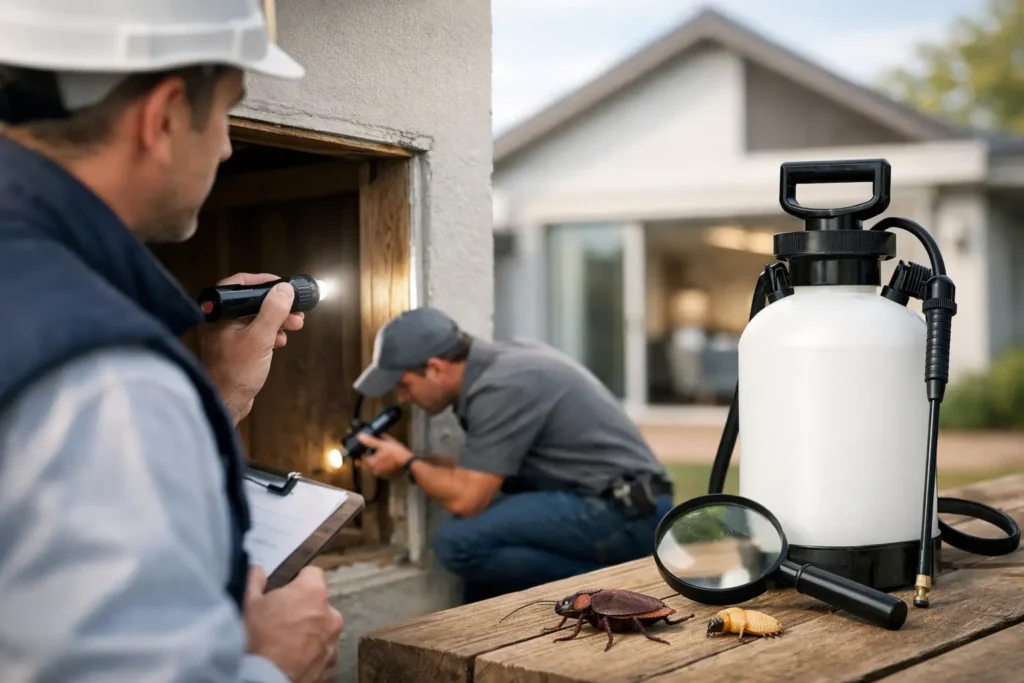
A property can look tidy at first glance and still hide problems that cost thousands after settlement. That is usually the point where buyers ask, how does building and pest inspection work, and what will it actually tell me before I commit? The short answer is that a qualified inspector carries out a careful visual assessment of the accessible areas of the property, identifies defects and risk areas, and provides a report that helps you make a clearer decision.
For buyers, landlords and homeowners in Perth and across WA, that process is less about ticking boxes and more about reducing risk. A proper inspection is there to pick up issues that are easy to miss during an open home, from cracking and moisture entry through to termite activity, poor workmanship and safety concerns.
How does building and pest inspection work in practice?
The process usually starts with booking the inspection and confirming what type of assessment is needed. In many cases, clients arrange a combined building and pest inspection before purchase, but there are also times when a property condition report, practical completion inspection or asbestos assessment is more appropriate.
Once booked, the inspector attends the property and examines the accessible parts of the home and surrounding structures. That includes areas such as the interior rooms, roof space, subfloor if accessible, external walls, gutters, site drainage, fencing, garages, patios and other improvements. The pest side of the inspection focuses on evidence of timber pest activity or damage, conditions conducive to infestation, and areas where further investigation may be needed.
After the site visit, the findings are compiled into a written report. A good report does more than list defects. It explains what was observed, where it was found, how serious it may be, and what action is worth considering next. That is where experience matters. A report should help you understand the practical implications, not leave you guessing.
What a building inspection usually covers
A building inspection looks at the overall condition of the property and checks for visible defects, maintenance issues and signs of more serious structural or safety concerns. The inspector is not pulling the house apart, but they are trained to read the signs that suggest a deeper problem may exist.
Common items assessed include cracking to walls, ceilings and brickwork, uneven floors, roof defects, poor drainage, signs of water ingress, deteriorated sealants, damaged gutters, unsafe balustrades, movement around doors and windows, and workmanship issues from previous building or renovation work.
For newer homes, the inspection may also pick up incomplete finishes, non-compliant elements, and defects that should be addressed before handover. For older properties, the emphasis often shifts towards wear and tear, ageing materials, moisture-related deterioration and signs of movement over time.
Not every crack means a major structural issue, and not every stain means an active leak. That is why context matters. An experienced inspector looks at pattern, location, severity and likely cause rather than jumping to the worst-case scenario.
What the pest inspection looks for
When people think pest inspection, they usually think termites, and for good reason. Termites can cause serious timber damage while staying hidden behind walls, under floors or inside roof framing. A pest inspection is designed to identify evidence of current activity, past damage and conditions that make infestation more likely.
That can include mudding, damaged timbers, high moisture areas, poor ventilation, timber in contact with soil, leaking plumbing, blocked drainage, garden beds built up against external walls, and stored materials that limit visibility around the structure.
The inspection may also note borers or fungal decay where relevant, especially in damp conditions. In WA properties, termite risk varies depending on the location, age of the home, construction type and surrounding environment. A brick home is not automatically termite-proof. If there is timber in the roof, trim, framing, flooring or outbuildings, there is still exposure to risk.
What inspectors can and cannot do
This part is important because expectations need to be realistic. A building and pest inspection is generally a visual, non-invasive inspection of accessible areas. That means the inspector does not cut open walls, lift fixed floor coverings or move heavy furniture to search for hidden defects.
If access is blocked, that limitation should be noted in the report. The same applies where roofing is unsafe to access, the subfloor is too restricted, or stored items prevent a proper view of parts of the property. A thorough inspector will explain these limitations clearly so you know where uncertainty remains.
That does not make the inspection less valuable. In most cases, visible indicators tell a detailed story about how a property has performed and where risk sits. But it is better to understand the scope properly than assume the inspection is a guarantee that no issue exists anywhere in the building.
How long it takes and what happens on the day
Most inspections take a couple of hours, depending on the size, layout and condition of the property. A smaller unit may be quicker. A large family home with outbuildings, roof access and subfloor access will take longer.
On the day, the inspector moves through the property methodically, checking internal and external elements and documenting defects with notes and photographs. Moisture meters, torches, ladders and other tools may be used to help assess risk areas. If timber pest concerns are present, the inspector will look closely at vulnerable locations such as wet areas, skirtings, roof framing and external timbers.
Some clients attend the inspection, while others prefer to rely on the report and follow-up call. Either approach can work, but many buyers find it helpful to speak directly with the inspector afterwards so they can understand which issues are minor, which ones may affect negotiations, and which ones need urgent attention.
What the report should tell you
A useful report should give you enough detail to act with confidence. That means it should identify major defects, minor defects, maintenance items, safety concerns and pest findings in plain English. It should also distinguish between a manageable repair and a problem that may need specialist advice or significant expenditure.
For example, hairline plaster cracking, ageing sealant and minor surface wear are very different from widespread moisture ingress, active termite evidence or structural movement. If everything is presented as equally serious, the report becomes hard to use.
This is one area where independent, construction-based experience makes a real difference. The value is not just in spotting an issue, but in understanding what it may mean in the real world. That is especially important when timelines are tight and buyers need to decide whether to proceed, renegotiate or investigate further.
Why experience matters more than a checklist
Two inspectors can walk through the same house and produce very different outcomes. One may note surface-level defects and move on. Another may recognise that a crack pattern, moisture reading and roof drainage issue all point to a larger problem.
That is why building knowledge matters. Someone with real construction experience is better placed to assess workmanship, identify likely causes and explain what is cosmetic versus what could become expensive. For clients, that translates into clearer advice and fewer surprises after purchase.
At Rushe Building Inspections, that practical, independent approach is central to the service. The goal is not to alarm people or minimise issues. It is to give an honest picture of the property so decisions can be made with confidence.
When a combined inspection makes the most sense
A combined building and pest inspection is usually the best fit when you are buying an established property. It gives you a broader picture in one process, covering both visible building defects and timber pest risks.
There are situations where extra services may also be worth considering. A newly built home may need a practical completion inspection before handover. An older property with suspicious wall sheeting or eaves may justify asbestos inspection and testing. A rental property may call for a condition report to document its state at a point in time.
The right inspection depends on the property, the stage of ownership and the level of risk you are trying to manage. If you are unsure, it helps to speak with an inspector who can explain what is relevant rather than sell a one-size-fits-all package.
The best time to ask how does building and pest inspection work is before you are locked into a property that no longer feels like a smart decision. A good inspection does not just point out defects. It gives you clarity when the stakes are high, and that is often the difference between buying with confidence and inheriting someone else’s problem.


Get Your Inspection Quote
Quick, independent building inspections across Perth. Request a fast, no-obligation quote today.
Building Inspections Made Simple with Rushe
Know the true condition of your property with Rushe Building Inspections—delivering clear reports, expert guidance, and total peace of mind for homeowners and buyers.
Detailed Reports

Local Expertise

5-Star Service

Trusted Service
Receive a Fast, No-Obligation Quote
Share a few details and receive a free, no-obligation quote for your building inspection.