

How to Prepare for Building and Pest Inspection
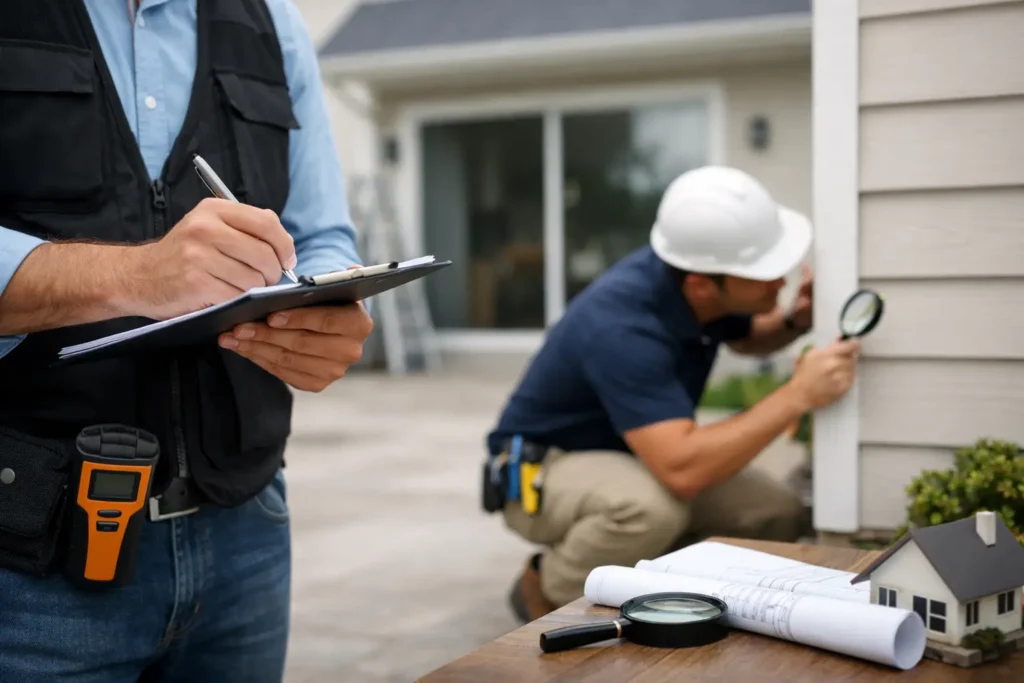
A building and pest inspection can lose value very quickly if the inspector cannot get to the areas that matter. Locked rooms, packed garages, blocked manholes, overgrown gardens and pets roaming the yard all make it harder to properly assess a property. If you are wondering how to prepare for building and pest inspection, the goal is simple – give the inspector safe, clear access and make the property easy to assess without delay.
That preparation does not mean hiding defects or trying to make the home look perfect. A good inspection is not a styling exercise. It is about helping the inspector see the structure, moisture risks, pest-prone areas, workmanship issues and general condition clearly, so you get an accurate report you can rely on.
Why preparation matters before an inspection
Most serious defects are found in places people rarely think about day to day. Roof spaces, subfloors, wet areas, external walls, retaining walls, eaves, fences and the ground levels around the home often tell the real story. If those areas are inaccessible, the inspection may be limited, and that can leave unanswered questions at the worst possible time.
For buyers, those unanswered questions can affect a purchase decision. For sellers, limited access can lead to follow-up inspections, delays and buyer concern. For landlords, tenants and property managers, poor preparation can mean missing maintenance issues that later become expensive repairs.
This is especially relevant in Perth and across WA, where heat, moisture movement, ageing materials, termite risk in some locations, and site drainage problems can all show up in practical ways around a property. An experienced inspector wants to see the home as it really performs, not just how it presents at first glance.
How to prepare for building and pest inspection at home
The best approach is to think like an inspector for half an hour. Where would someone need to go to assess the property properly? What would stop them from opening, viewing, entering or testing a space safely?
Start with access. Unlock all rooms, gates, garages, sheds and side paths. If there is a roof space manhole, make sure it is not covered by furniture or stacked boxes. If the property has a subfloor access point, clear the opening and remove anything sitting in front of it. Inspectors cannot assess what they cannot physically reach.
Wet areas deserve extra attention. Bathrooms, laundries and kitchens often reveal leaks, water damage, failed seals and ventilation problems. Clear under-sink cupboards so pipework and moisture staining can be viewed. Move stored items away from laundry corners and around hot water systems if possible.
Outside, trim back dense vegetation against walls and clear away anything piled up against the house. Timber, cardboard, garden waste and stored materials can all create ideal conditions for pest activity and can also hide damage to external walls or slab edges. If bins, trailers or equipment are blocking a side elevation, shift them before the appointment.
If you have pets, secure them well before the inspector arrives. Even friendly dogs can restrict access to yards, subfloors or side paths. Cats are less dramatic but can still make roof space access awkward if they are startled indoors.
What not to do before a building and pest inspection
There is a difference between preparing the property and trying to manage the outcome. Fresh paint over a stained ceiling, silicone applied over cracked shower junctions the night before, or furniture placed strategically against suspect walls will not help anyone. In most cases, these things raise more questions rather than fewer.
It is also unhelpful to run appliances, leave taps dripping, or create unusual conditions that do not reflect normal use. A reliable inspection depends on the property being presented honestly and accessibly.
If there is a known issue, mention it. That does not guarantee it is minor, but it does help the inspector assess it in context. Straightforward information usually saves time and leads to a clearer report.
Key areas to clear before the inspector arrives
Some parts of the property are commonly overlooked, and they are often the places where important defects show up first.
Roof space and ceiling access
Make sure the manhole is visible and reachable, with enough room for a ladder if one is required. Do not stack boxes, storage tubs or furniture beneath it. Roof spaces can reveal leaks, timber issues, insulation problems, previous repairs and signs of pest activity.
Subfloor or undercroft access
If the home has a raised floor, the subfloor area may be one of the most important parts of the inspection. Dampness, poor ventilation, timber deterioration, plumbing leaks and signs of termites are often found there. Clear the access hatch and remove stored materials from around the entry point.
Garage, shed and external walls
Garages and sheds often become storage overflow, which is understandable, but packed walls can hide cracking, moisture damage and framing issues. The same applies to the perimeter of the house. If every wall line is blocked by pot plants, tools, boxes or stacked timber, the assessment becomes more limited.
Wet areas and cupboards
Inspectors do not need a spotless home, but they do need to see behind and beneath likely leak points. Clear enough room under sinks, around toilets, around shower screens and near the hot water system so visible plumbing and surrounding surfaces can be checked.
If you are a tenant, seller or property manager
Preparation can look slightly different depending on your role.
If you are a tenant, the main job is access and safety. Keep pathways clear, secure pets and make sure the agent or owner has keys for all necessary areas. You are not expected to repair defects before an inspection, but basic cooperation helps the process run smoothly.
If you are selling, avoid over-explaining every cosmetic issue as the inspector walks through. Let the inspection happen professionally. Provide any relevant documents you have, such as recent repair invoices, waterproofing work or termite treatment records, but do not try to steer attention away from problem areas.
If you manage property on behalf of an owner, confirm access arrangements early. Last-minute key confusion is one of the most common reasons inspections are delayed or partially limited. Make sure the tenant knows what areas need to be available and whether roof space or subfloor entry points are involved.
Documents and information that can help
An inspection is mostly visual, but a few details can give useful context. If available, have records ready for major renovations, structural repairs, waterproofing, termite treatments or asbestos-related work. This is particularly helpful in older homes, where past changes can affect how current issues are interpreted.
That said, paperwork does not replace inspection findings. A receipt for repairs tells part of the story. The condition of the area now tells the rest.
What happens if access is poor?
If the inspector cannot reach significant areas, the report may note limitations. That does not mean the inspection was done badly. It means the property could not be fully assessed under the conditions provided.
Sometimes that is unavoidable. Heavy stored goods, low-clearance subfloors, unsafe roof spaces, locked rooms or aggressive animals can all limit what is practical on the day. But many of these issues can be prevented with some planning.
At Rushe Building Inspections, this is where experience matters. A construction-grounded inspector knows where problems typically present and which access issues genuinely affect the reliability of the assessment. That gives clients a clearer understanding of what was seen, what could not be seen, and what that means for their next step.
A realistic standard is better than a perfect presentation
You do not need to make the home look like it is ready for photos. You do need to make it inspectable. There is a big difference. Clean enough to access, clear enough to assess, and honest enough to report properly is the standard that matters.
If you are unsure how to prepare for building and pest inspection, focus on visibility, access and safety first. Those three things do more for the quality of the inspection than cosmetic touch-ups ever will. A well-prepared property gives the inspector the best chance of finding the issues that matter early, while there is still time to make an informed decision.


Get Your Inspection Quote
Quick, independent building inspections across Perth. Request a fast, no-obligation quote today.
Building Inspections Made Simple with Rushe
Know the true condition of your property with Rushe Building Inspections—delivering clear reports, expert guidance, and total peace of mind for homeowners and buyers.
Detailed Reports

Local Expertise

5-Star Service

Trusted Service
Receive a Fast, No-Obligation Quote
Share a few details and receive a free, no-obligation quote for your building inspection.