

New Build Handover Defect Examples to Check
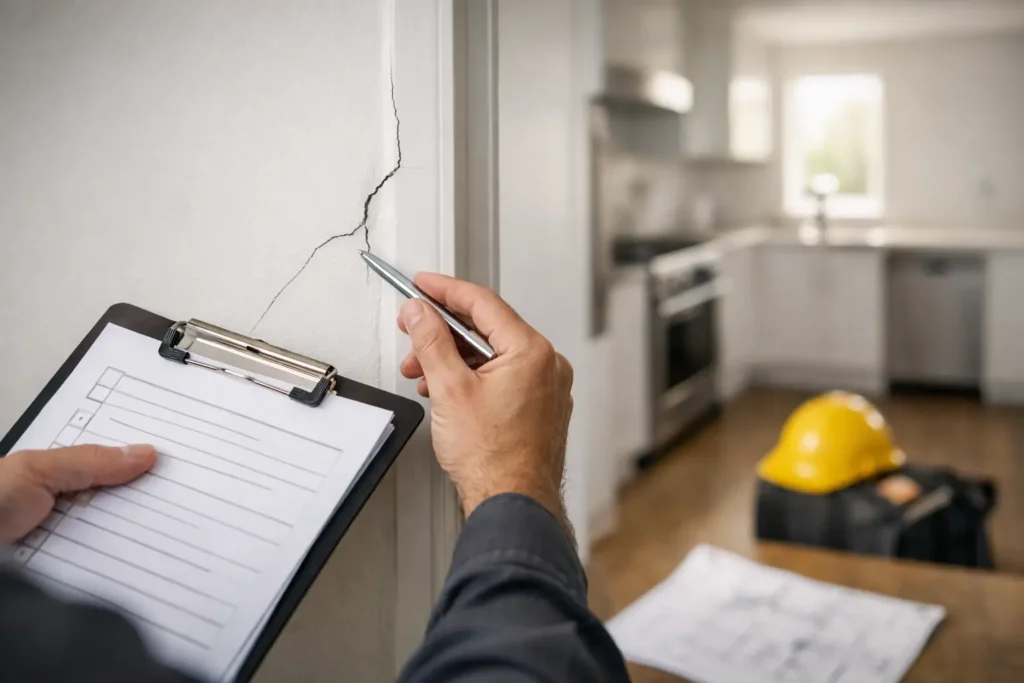
A new home can look finished long before it has been properly checked. At practical completion, the paint is fresh, appliances are installed and the keys are nearly ready to hand over. That is also when small but costly workmanship issues can be easiest to miss. These new build handover defect examples will help Perth homeowners know what deserves attention before signing off.
A handover inspection is not about expecting a flawless building. Construction materials have tolerances, and some minor cosmetic variation can be reasonable. It is about identifying defects that fall below the required standard, create a safety risk, affect performance, or are likely to become more expensive once you are living in the home.
Why defects are missed at new build handover
The final stages of a build are busy. Trades may be completing outstanding work, external areas may be unfinished, and a homeowner is understandably focused on moving dates, finance and furniture. Under those conditions, a rushed walkthrough can become a quick look at paint colours and benchtops rather than a careful assessment of how the home has been built.
Many defects are subtle. A floor that sounds hollow in one area, a shower screen that does not seal properly, or a downpipe discharging beside the slab may not stand out at first glance. Yet these issues can point to poor installation, water-management problems or incomplete work.
An independent practical completion inspection gives you a clear written record of concerns before handover. It also helps separate a genuine defect from a matter that may be within normal building tolerances, so discussions with the builder can stay specific and practical.
New build handover defect examples inside the home
Wall, ceiling and paintwork defects
Cosmetic workmanship is often the most visible category at handover. Common examples include patchy paint coverage, paint drips, rough plastering, cracked cornices, uneven joins, dents in plasterboard and poorly finished internal corners. Doors, skirting boards and architraves may also have gaps, damaged surfaces or untidy sealant lines.
Not every small mark will justify a major rectification request. The relevant question is whether the finish is consistent with the agreed standard and whether defects remain visible under normal lighting and normal use. A detailed inspection records the location and nature of each issue so it does not become a vague conversation about “touch-ups”.
Doors, windows and cabinetry that do not operate correctly
Open and close every accessible door, window, cupboard and drawer. New build handover defect examples in this area include doors rubbing on frames, latches that fail to engage, sliding doors that drag, windows that do not lock, damaged flyscreens and incomplete seals around frames.
Kitchen and bathroom cabinetry should be aligned, secure and free from obvious chips, swelling or damaged edges. Check that drawers run freely and that cabinet doors do not clash. Misaligned doors may seem minor, but they can also indicate that cabinetry has not been adjusted correctly after installation.
Wet-area defects
Bathrooms, laundries and kitchens deserve close attention because water damage often develops behind finishes. Look for poorly applied silicone, gaps around basins and baths, loose tapware, damaged tiles, uneven tile cuts and cracked grout. Shower screens should be secure, correctly sealed and able to contain water within the shower area.
Falls to floor wastes are another important check. Water should drain towards the waste rather than pooling in corners or running out of the shower. This can be difficult to judge during a brief handover, but poor drainage can lead to persistent moisture problems and frustration from the first week of occupancy.
Flooring problems
Inspect hard flooring and carpets in natural light where possible. Scratches, chips, stains, lifted edges, uneven transitions and loose sections should be documented. Tiled floors may have cracked tiles, inconsistent grout lines, lippage between tiles or hollow-sounding areas that suggest insufficient adhesive coverage.
A hollow sound does not automatically mean every tile will fail. However, extensive hollow areas, movement or cracked tiles warrant further attention, particularly in wet areas and high-traffic parts of the home.
External new build handover defect examples
Drainage and site levels
In Perth, site drainage matters. Heavy rain may be infrequent for long periods, but when it arrives, poor falls around the home can direct water towards the slab, garage or external doors. Check whether paving and finished ground levels slope away from the building where appropriate, and whether downpipes discharge into suitable drainage points.
Common concerns include downpipes left unconnected, puddling near entrances, paving that falls back towards walls, inadequate drainage around air-conditioning units and unfinished areas where water can collect. These are not merely presentation issues. Poor water management can contribute to dampness, erosion and long-term movement concerns.
Roof, gutters and external cladding
From ground level, inspect the roofline, gutters, fascias, eaves and external walls. Visible gaps, incomplete flashing, loose guttering, damaged roof sheets or tiles, and unsealed penetrations should be raised. External cladding, brickwork and render should have an even, secure appearance without obvious cracking, staining or unfinished joints.
Some roof issues cannot be safely assessed without proper access. A professional inspection is valuable because it considers visible roof components alongside ceiling-space observations, moisture evidence and the way roof drainage has been completed.
Brickwork, paving and concrete
External masonry and concrete often reveal workmanship issues once the site has been cleaned up. Examples include cracked bricks, poor mortar finishing, damaged expansion joints, chipped concrete edges, uneven paving and poorly finished paths. Check garage floors and driveways for cracking, ponding and obvious surface defects as well.
Concrete can develop minor shrinkage cracking, and whether it is a defect depends on the crack location, width, movement and likely cause. This is where experience matters. The aim is not to label every line in concrete as serious, but to identify cracking that may require explanation, monitoring or rectification.
Safety and compliance issues that should not wait
A practical completion inspection should also consider visible safety concerns. These may include missing handrails, unsafe stair finishes, incomplete balustrades, exposed wiring, unsecured meter boxes, poorly installed smoke alarms or inadequate clearances around electrical components.
Check that required fixtures are fitted and operating as specified in your contract and selections. Exhaust fans, rangehoods, heating and cooling units, garage doors, taps, toilets, hot-water systems and external lights should be tested where practical. If an item cannot be tested because power, gas or water is not connected, record that clearly and arrange for it to be checked as soon as services are available.
A defect list should not be limited to what is visible from eye level. It should also account for incomplete work, missing items and parts of the home that cannot reasonably be assessed on the day. Clear exclusions are just as useful as clear findings because they show what still needs verification.
How to handle defects before signing handover
Raise defects in writing and keep the language factual. Rather than saying the bathroom is “poor quality”, identify the precise location and issue: for example, water ponds at the shower entry, silicone is incomplete at the basin, or the vanity door rubs against the adjoining panel.
Provide the builder with the defect list and ask how and when each item will be addressed. Builders are generally entitled to rectify genuine defects, and a cooperative approach is often the quickest path to a result. At the same time, do not let the pressure of a settlement date force you to accept unclear promises. Keep copies of inspection reports, emails, photos and any agreed rectification timeframes.
It also depends on the seriousness of the issue. Minor paint touch-ups may be suitable for a short post-handover rectification visit. Water ingress, unsafe electrical work, substantial drainage concerns or incomplete essential works need a more immediate response. If you are uncertain, seek independent advice before accepting practical completion.
A careful inspection creates a stronger handover position
Your new home is a major investment, and handover is the best opportunity to make sure outstanding workmanship is identified while the builder remains responsible for completing the work. Rushe Building Inspections brings more than 15 years of construction experience to practical completion inspections, providing clear findings that are easier to discuss and act on.
Take your time, inspect methodically and make sure every concern is recorded. A calm, evidence-based defect list can turn a stressful handover into a clear next step towards moving into a home that has been properly finished.


Get Your Inspection Quote
Quick, independent building inspections across Perth. Request a fast, no-obligation quote today.
Building Inspections Made Simple with Rushe
Know the true condition of your property with Rushe Building Inspections—delivering clear reports, expert guidance, and total peace of mind for homeowners and buyers.
Detailed Reports

Local Expertise

5-Star Service

Trusted Service
Receive a Fast, No-Obligation Quote
Share a few details and receive a free, no-obligation quote for your building inspection.